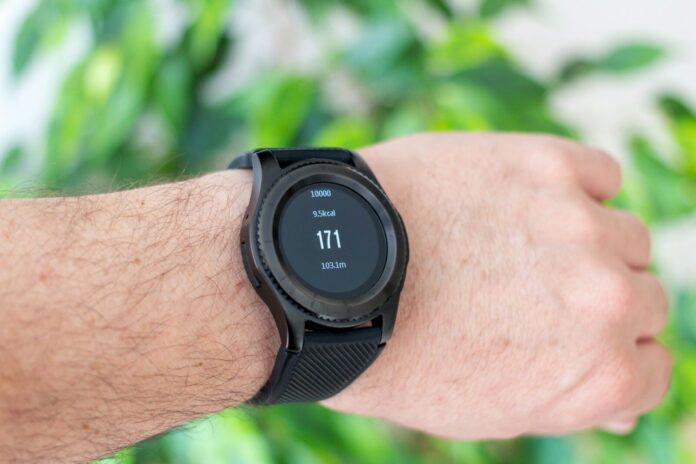

Your watch says your HRV is “low” this morning, and suddenly you’re wondering whether to skip the gym. Heart rate variability is one of the most useful numbers a wearable gives you, and also one of the easiest to misread. Here’s what it really measures, what pushes it down after 35, and how to use it without letting one bad score run your day.
Key takeaways
- HRV is the beat-to-beat variation in your heart rhythm. Most wearables report RMSSD, a marker of your “rest and digest” (vagal) nervous system.
- Age, stress, alcohol, illness and poor sleep all push HRV down. Alcohol does it in a dose-dependent way, even at low intakes.
- Compare yourself only with yourself. A 7-day rolling average tells you far more than any single morning’s score.
- HRV-guided training gives similar or slightly better fitness gains than a fixed plan, with fewer people who fail to improve.
- Regular aerobic training, consistent sleep, less alcohol and slow breathing are the habits with the best evidence for raising HRV.
What is HRV, exactly?
Your heart doesn’t tick like a metronome. Even at 60 beats per minute, the gap between beats might be 0.95 seconds, then 1.05. That variation is heart rate variability.
It comes mainly from the tug-of-war between the two branches of your autonomic nervous system. The sympathetic side speeds your heart up for action. The parasympathetic side, working largely through the vagus nerve, slows it down and lets it adjust breath by breath. When you’re rested and recovered, vagal activity is strong and the gaps between beats vary more. When you’re stressed, sick or under-recovered, the sympathetic side dominates and the rhythm becomes more uniform.
RMSSD: the number most wearables show
There are dozens of HRV metrics. The one you’ll see most often is RMSSD, the root mean square of successive differences between beats. In plain terms, it measures how much each beat-to-beat interval differs from the next, reported in milliseconds.
A widely cited review of HRV metrics describes RMSSD as the main time-domain measure for estimating vagally mediated changes in HRV.
One thing to know up front: there is no universal “good” RMSSD. Healthy men of the same age can differ widely. Your number is only meaningful against your own baseline.
Why HRV drops: the usual suspects
Age
Time-domain HRV, including RMSSD, generally declines with age. In a large 24-hour study of adults aged 40 to 100, RMSSD fell between 40 and 60, with a U-shaped pattern that rose again after 70. So if your number is lower at 42 than it was at 30, that’s expected. What matters is how you compare with your own recent normal.
Stress
Mental stress, anxiety and worry are consistently linked with lower vagal HRV. A heavy work week, a sick child at home or a tense negotiation can all show up overnight. That’s your nervous system telling you the load is high. If stress has become your normal rather than a spike, our guide to recovering from chronic stress after 35 covers the bigger picture.
Alcohol
This is the one most men underestimate. A study of 4,098 Finnish employees compared their sleep HRV on nights with and without alcohol. The effect was dose-dependent. Even low intake (up to about 0.25 g of alcohol per kg of body weight, roughly 20 g for an 80 kg man) lowered RMSSD and raised heart rate during the first hours of sleep. At high intakes, RMSSD fell by almost 13 ms and heart rate rose by close to 9 beats per minute on average.
Being physically active didn’t protect people from the effect, and the drop was seen across age groups.
Illness
HRV often changes before you feel sick. In a Mount Sinai study of health care workers, subtle HRV changes measured by a smartwatch signalled COVID-19 infection up to seven days before a positive swab. A sudden drop in HRV paired with a higher resting heart rate is a common early sign that your body is fighting something.
Poor sleep
Short or poor-quality sleep is linked with lower HRV, so a rough night often shows up in your next reading. If your numbers are consistently low and your sleep is the weak link, start with our guide to sleeping better after 35.
Hard training
A tough interval session or a long run can lower HRV temporarily. That’s normal: you stress the system, then it rebounds. The problem is when HRV keeps trending down for weeks while your training load stays high.
How wearables measure HRV, and how accurate they are
Overnight vs morning readings
Wearables use two main approaches:
- Overnight readings. Rings, wrist bands and smartwatches use an optical sensor (photoplethysmography, or PPG) to track your pulse during sleep. Sleep is a naturally standardized condition, but each device summarizes the night differently, so numbers aren’t comparable between brands.
- Morning spot checks. You take a short reading right after waking, usually 1 to 5 minutes, lying down or seated, with a chest strap or an app. The research standard is 5 minutes; shorter readings can work for RMSSD, though very short ones are debated.
Neither method is “right”. The key is consistency: same device, same timing, same position, every day. Don’t mix overnight and morning numbers in the same trend.
Accuracy limits
An electrocardiogram (ECG) is the gold standard. Chest straps read the heart’s electrical signal and are generally more precise than wrist or finger optical sensors. Cleveland Clinic notes that wrist trackers can detect changes but are usually less accurate than an ECG.
Newer devices do better at night, when you’re still. A 2025 study compared five consumer wearables with ECG across 536 nights in 13 healthy adults. The best devices agreed closely with ECG for overnight HRV. Still, average errors ranged from about 6% to over 16% depending on the device.
What that means for you:
- Daytime and during-exercise HRV from a wrist device is much less reliable than overnight HRV.
- A change of a few milliseconds on one night may simply be measurement noise.
- Trends over a week are far more trustworthy than any single number.
Use a 7-day rolling baseline, not daily scores
Day-to-day HRV bounces around. One late dinner or bad night can knock it down, and it can jump back the next day. React to every dip and you’ll skip workouts you didn’t need to skip.
Research on elite endurance athletes found that the weekly average of log-transformed RMSSD tracked improvements in fitness and 10 km performance. Single-day values showed little relationship. The same work suggested that at least three valid readings per week are enough to build a useful weekly average.
A simple way to apply this:
- Build a baseline. Collect 2 to 4 weeks of readings under your normal routine. Note your typical range, not just your average.
- Watch the 7-day rolling average. Most apps already show this. If not, average your last seven readings.
- Look for sustained shifts. A 7-day average that sits clearly below your normal range for several days is a meaningful signal. One low morning is not.
- Read HRV with resting heart rate. Low HRV plus a resting heart rate a few beats above your normal is a stronger warning than either alone.
- Add a gut check. Data plus how you feel beats data alone.
Does HRV-guided training actually work?
HRV-guided training follows a simple rule. When your HRV is at or above your normal range, you do the hard session. When it’s suppressed, you swap in easy work or rest. Studies typically compared a single day’s reading or a 3- to 7-day rolling average against the person’s own baseline, using thresholds such as half a standard deviation either side of the mean.
Two meta-analyses have tested this against fixed, predefined training plans:
- A 2021 review of 8 studies (199 participants) found that HRV-guided training improved vagal HRV more than predefined training. It also produced small, non-significant advantages for VO2 max and endurance performance, and fewer negative responders.
- A separate 2021 review of 8 studies (198 participants) found a medium-sized benefit for submaximal physiological markers. Effects on performance and VO2 peak were small and non-significant. HRV-guided groups often did fewer hard sessions yet kept pace.
The honest read: HRV guidance is not a magic accelerator. It seems to help you train about as well, sometimes slightly better, with fewer people who stall or go backwards. For a busy man juggling work, kids and travel, that’s valuable. Most participants were younger adults, so treat it as a sensible tool, not settled science for every 45-year-old.
A practical way to use it: plan your week as normal, with mostly easy zone 2 sessions and one or two harder ones. Then let a suppressed 7-day trend tell you when to move the hard day or swap it for something easy.
What actually raises HRV
You can’t buy a higher HRV, but you can build one. The habits with the best evidence:
- Regular aerobic training. A 2024 meta-analysis of 16 randomized trials in 623 healthy adults found that exercise training improved RMSSD and other vagal markers compared with no training. Raising your aerobic fitness, as covered in our VO2 max guide, tends to go hand in hand with a healthier resting heart rate and better vagal tone.
- Consistent, sufficient sleep. Regular bed and wake times are the foundation for stable overnight readings.
- Less alcohol, especially on weeknights. Given the dose-dependent effect, this is often the fastest visible change on your graph.
- Slow breathing. A 2022 meta-analysis of 223 studies found that voluntary slow breathing increased vagal HRV during practice, right after a session and after multi-session programmes.
- Not training hard on top of high life stress. Sometimes the best move for your HRV is an easy week.
Common causes of a low reading and what to do
| Likely cause | Typical pattern | What to do |
|---|---|---|
| Alcohol the night before | Low HRV and higher resting HR the next morning | Train easy that day; cut back, especially on weeknights |
| Short or broken sleep | Single low reading after a bad night | Keep the session easy; protect bedtime the next night |
| Hard training session | Short dip, then back to normal | Normal response; follow with easy days as planned |
| Accumulated training load | 7-day average drifting down over 1–2 weeks | Take a lighter week with less intensity and volume |
| Work or family stress | Lower trend during stressful periods | Trim hard sessions; add walks and slow breathing |
| Oncoming illness | Sudden drop with rising resting HR, often before symptoms | Rest; skip intense training until symptoms clear |
| Measurement error | Odd value that doesn’t match how you feel | Check fit and position; ignore one-off outliers |
When to get it checked
HRV is a training and wellness tool, not a diagnosis. Still, some patterns are worth raising with your doctor:
- Your HRV trend stays well below your normal range for a couple of weeks or more, despite rest and good sleep, and you can’t explain why.
- Your resting heart rate is regularly above 100 beats per minute. Or it’s often below 60 and you’re not a trained athlete. Mayo Clinic lists both as reasons to see a professional.
- Your resting heart rate has crept up and stayed up for no clear reason.
- Your device flags an irregular rhythm, or you notice palpitations or a fluttering heartbeat.
- You get fainting, dizziness, chest pain or shortness of breath. Seek urgent care for chest pain or fainting.
One counterintuitive point: a very high or erratic HRV isn’t always good news. Some rhythm problems, such as atrial fibrillation, can inflate HRV readings. If your numbers suddenly look “too good” and you feel unwell, get checked.
Safety note: Consumer wearables are not medical devices for diagnosing heart conditions. If you have known heart disease, take medication that affects heart rate (such as beta-blockers), or have symptoms like chest pain, fainting or palpitations, talk to your doctor rather than relying on HRV scores to guide training.
FAQ
What is a good HRV for a man over 35?
There is no single target. RMSSD varies widely between people, falls with age and differs between devices. Instead of chasing a number, aim for a stable or slowly rising 7-day average compared with your own baseline.
Is morning or overnight HRV better?
Both work if you’re consistent. Overnight readings are effortless and naturally standardized by sleep. Morning readings with a chest strap can be more precise but need daily discipline. Pick one method and stick with it.
Should I skip my workout if HRV is low?
Not automatically. One low reading is often noise. If your 7-day average is clearly below normal and you feel flat, swap the hard session for easy aerobic work or rest. If you feel fine and the trend is normal, train as planned.
How long does it take to raise HRV?
Cutting alcohol or fixing a bad sleep week can show up within days. Changes in your baseline from aerobic training and better habits usually take weeks to months.
Free tools: estimate your fitness age from your resting heart rate and plan recovery sleep with the sleep calculator.
Sources
- Shaffer F, Ginsberg JP. An Overview of Heart Rate Variability Metrics and Norms. Frontiers in Public Health, 2017.
- Pietilä J, et al. Acute Effect of Alcohol Intake on Cardiovascular Autonomic Regulation During the First Hours of Sleep in a Large Real-World Sample of Finnish Employees. JMIR Mental Health, 2018.
- Mount Sinai. Wearable devices can detect COVID-19 symptoms and predict diagnosis. 2021.
- Dial MB, et al. Validation of nocturnal resting heart rate and heart rate variability in consumer wearables. Physiological Reports, 2025.
- Cleveland Clinic. Heart Rate Variability (HRV).
- Plews DJ. The practical application of heart rate variability: monitoring training adaptation in world class athletes. Auckland University of Technology.
- Manresa-Rocamora A, et al. Heart Rate Variability-Guided Training for Enhancing Cardiac-Vagal Modulation, Aerobic Fitness, and Endurance Performance: A Methodological Systematic Review with Meta-Analysis. International Journal of Environmental Research and Public Health, 2021.
- Düking P, et al. Monitoring and adapting endurance training on the basis of heart rate variability monitored by wearable technologies: a systematic review with meta-analysis. Journal of Science and Medicine in Sport, 2021.
- Amekran Y, El Hangouche AJ. Effects of Exercise Training on Heart Rate Variability in Healthy Adults: A Systematic Review and Meta-analysis of Randomized Controlled Trials. Cureus, 2024.
- Laborde S, et al. Effects of voluntary slow breathing on heart rate and heart rate variability: A systematic review and a meta-analysis. Neuroscience and Biobehavioral Reviews, 2022.
- Mayo Clinic. What’s a normal resting heart rate?
This article is for general education and is not medical advice. Check with your doctor before starting a new training or nutrition plan, especially if you have a health condition.

