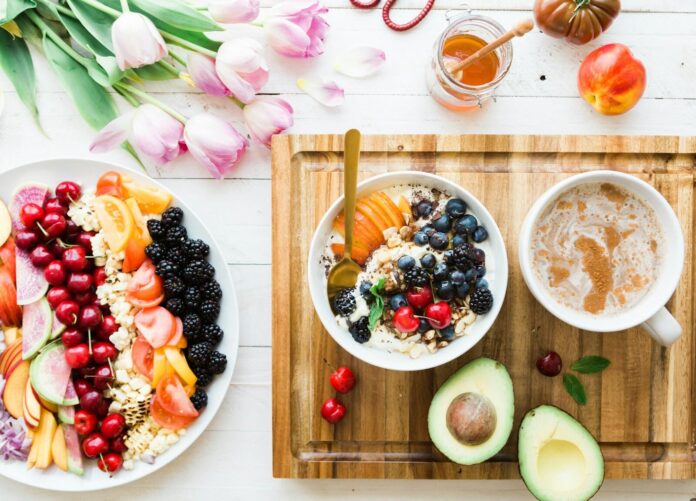

A good high-protein breakfast for women gives you about 20–30 g of protein, and you can get there with eggs, yoghurt, cottage cheese, tofu, beans or a glass of milk in under ten minutes. That matters more than it sounds: US survey data show adults eat about 13 g of protein at breakfast on average, against roughly 38 g at dinner. Below are 15 breakfasts that fix that gap, with vegetarian options throughout.
Key takeaways
- Aim for roughly 20–30 g of protein at breakfast if you train 3–4 hours a week. A typical toast-and-coffee breakfast gives you well under half of that.
- Spreading protein evenly across the day looks better for your muscles than saving most of it for dinner. In one small trial, about 30 g per meal led to 25% higher muscle protein synthesis over 24 hours than a breakfast-light pattern.
- Breakfast is not a weight-loss trick. A 2019 BMJ meta-analysis found that adding breakfast did not help people lose weight, so eat it because it fuels your morning and protects muscle, not to “kick-start” your metabolism.
- Eggs, dairy, soy, lentils and beans cover every taste and budget, including vegetarian.
- Batch-cook once (egg muffins, overnight oats, dal) and breakfast takes two minutes on busy mornings.
How much protein should a woman eat at breakfast?
Most active women over 35 do well on about 1.2–1.6 g of protein per kilogram of body weight a day, as we explain in our guide to how much protein women need after 35. Split across three meals and a snack, that is about 20–30 g per meal for most women.
Two pieces of evidence support aiming for that range at breakfast:
- Even beats skewed. In a 2014 crossover study, healthy adults aged 25–55 ate the same daily protein either evenly (about 30 g at each meal) or skewed (about 10 g at breakfast, 15 g at lunch and 65 g at dinner). The even pattern gave 25% higher muscle protein synthesis over 24 hours. The study was small, with only eight people, and measured a short-term marker rather than muscle mass, so treat it as a useful signal, not proof.
- Around 20–25 g is a sensible dose. The British Nutrition Foundation notes that 20–25 g of high-quality protein seems enough to maximise muscle building around exercise in most people.
Your exact number depends on your size. A 55 kg (121 lb) woman may be fine with 20 g, while a 75 kg (165 lb) woman who lifts may want closer to 30 g.
Your breakfast protein scorecard
Check what your usual breakfast scores. The figures are approximate and based on standard food composition tables. Brands vary, so check the label when you can.
| Breakfast | Approx. protein | Score |
|---|---|---|
| Toast with butter and jam, coffee | 5–7 g | Low |
| Bowl of cereal with 150 ml milk | 8–10 g | Low |
| Croissant and a latte | 10–12 g | Low |
| 2 eggs on 1 slice of wholegrain toast | 17–19 g | Almost there |
| 200 g cottage cheese with fruit and a few almonds | about 22 g | Good |
| 3-egg veggie scramble on toast | about 25 g | Good |
| High-protein overnight oats (our recipe) | about 34 g | Great |
If you scored low, you do not need to overhaul your morning. Adding one protein food, such as two eggs, a pot of cottage cheese or a glass of milk, usually closes most of the gap.
Protein building blocks for breakfast
These are the foods most of the ideas below are built from. Values come from the British Nutrition Foundation’s tables (UK food composition data) and Harvard’s Nutrition Source.
| Food | Protein | Typical breakfast portion |
|---|---|---|
| Eggs (whole, boiled) | 14.1 g per 100 g | 2 large eggs ≈ 14 g |
| Cottage cheese | 9.4 g per 100 g | 150 g (5.3 oz) ≈ 14 g |
| Greek-style yoghurt, plain | 5.7 g per 100 g | 200 g (7 oz) ≈ 11 g; strained or “high-protein” pots and skyr usually more |
| Tofu | 8.1 g per 100 g | 150 g (5.3 oz) ≈ 12 g; firmer tofu is often higher |
| Milk (any fat level) | 3.4–3.5 g per 100 g | 250 ml (8.5 fl oz) ≈ 9 g |
| Red lentils, boiled | 7.6 g per 100 g | 150 g (about ¾ cup) ≈ 11 g |
| Chickpeas, canned | 7.2 g per 100 g | 100 g (about ½ cup) ≈ 7 g |
| Baked beans | 5.0 g per 100 g | 200 g (half a large tin) ≈ 10 g |
| Almonds | about 6 g per 28 g (1 oz) | A small handful ≈ 6 g |
| Salmon, cooked | about 30 g per 113 g (4 oz) | 100 g leftover fillet ≈ 26 g |
Wholegrain bread and oats add a few grams too, along with fibre that keeps you full. They are a good partner for protein, not a replacement.
15 high-protein breakfast ideas for women
Each idea lands at roughly 18–35 g of protein. Pick three or four you like and rotate them, so you are not deciding from scratch every morning.
Quick egg breakfasts (5–10 minutes)
- Veggie scramble on toast (about 25 g). Scramble 3 eggs with spinach, tomatoes and mushrooms and serve on a slice of wholegrain toast. Add a little feta if you like.
- Shakshuka with chickpeas (about 21 g). Simmer tinned tomatoes, peppers, cumin and 100 g of chickpeas, then crack in 2 eggs and cover until set. Great for weekends, and leftovers reheat well.
- Breakfast burrito (about 22 g). Fill a wholewheat tortilla with 2 scrambled eggs, 80 g of black or kidney beans, salsa and a sprinkle of cheese. Wrap it in foil and it travels to work.
- Egg and smoked salmon on rye (about 20–23 g). Top rye bread with one poached egg, a few slices of smoked salmon and cucumber. Smoked fish is salty, so keep it to a few times a week.
- Two boiled eggs and a glass of milk (about 23 g). Boil a batch on Sunday. Add fruit and you have a grab-and-go breakfast with zero cooking on the day.
Dairy and no-cook bowls (2–5 minutes)
- Cottage cheese fruit bowl (about 22 g). 200 g of cottage cheese with berries or sliced peach and a small handful of almonds. Sweet or savoury both work: try it with tomato, black pepper and olive oil.
- Yoghurt parfait (about 18–25 g). Layer 250 g of Greek-style yoghurt with berries, a spoon of oats and a small handful of nuts. Swap to a strained high-protein yoghurt or skyr to push it higher, and check the label for the exact figure.
- High-protein overnight oats (about 34 g). Oats soaked overnight in milk with yoghurt and a scoop of protein powder. Our high-protein overnight oats recipe gives exact amounts. Make three jars at once.
- Protein smoothie (25 g or more). Blend 300 ml of milk or soy milk with a banana, frozen berries and a scoop of whey, soy or pea protein. The label tells you how much the scoop adds. Useful after a morning workout.
- Cottage cheese on toast (about 18 g). Spread 150 g of cottage cheese on two slices of wholegrain toast and top with tomatoes, herbs and seeds.
Vegetarian and plant-based savoury breakfasts
- Tofu scramble (about 20 g). Crumble 200 g of firm tofu into a pan with onion, turmeric, cumin and spinach. Serve with toast or in a wrap. If you eat dairy, paneer bhurji is a similar Indian-style option.
- Dal and egg on toast (about 18–22 g). Warm 150 g of leftover lentil dal, spoon it over wholegrain toast and top with a fried or poached egg. Vegan? Skip the egg and add a side of soy yoghurt.
- Beans on toast with an egg (about 20 g). A British classic: 200 g of baked beans on wholegrain toast with one egg. Choose reduced-sugar, reduced-salt beans.
Batch-cook and leftovers
- Egg muffins (about 21 g for three). Whisk 6–12 eggs with chopped vegetables and a little cheese, pour into a muffin tin and bake for about 20 minutes. Three muffins equal roughly three eggs. They keep in the fridge for 3–4 days.
- Last night’s dinner (25 g or more). There is no rule that breakfast must be “breakfast food”. A 100 g piece of leftover salmon or chicken with rice and vegetables, or a bowl of chilli with beans, does the job and saves time.
Want more meat-free ideas? We have a full list of 20 vegetarian high-protein breakfasts.
Breakfast myths vs evidence
| Myth | What the evidence says |
|---|---|
| “Breakfast kick-starts your metabolism and helps you lose weight.” | A 2019 BMJ meta-analysis of 13 trials found people assigned to eat breakfast ate about 260 kcal more per day and weighed slightly more (about 0.44 kg) over a few weeks. The evidence quality was low, but breakfast is not a weight-loss tool on its own. |
| “If I skip breakfast, I have failed.” | Your daily protein total and the quality of your overall diet matter most. If you are not hungry early, have your first protein-rich meal mid-morning. |
| “Protein at breakfast is only for gym fanatics.” | Spreading protein across meals supports the everyday muscle you use for stairs, carrying children or shopping and staying strong as you age. |
| “You need a protein shake.” | Whole foods do the job. A shake is just a convenient option on rushed days. |
| “Plant breakfasts can’t hit 20 g.” | Tofu, soy milk, lentils, beans and soy yoghurt can get you there, especially when you combine two of them. |
How to make a high-protein breakfast stick
- Use the “one plus one” rule. One main protein (eggs, cottage cheese, tofu, yoghurt or beans) plus one fibre food (wholegrain bread, oats, fruit or vegetables). That combination keeps you full until lunch.
- Prep twice a week. Boil eggs, bake egg muffins or soak oats on Sunday and Wednesday evenings. Ten minutes of prep covers most mornings.
- Keep a backup at work. Single-serve yoghurt pots or cottage cheese in the office fridge, or roasted chickpeas and nuts in your drawer, rescue the mornings when everything goes wrong.
- Eat with your family. Egg muffins, burritos and yoghurt bowls work for children and adults alike, so you only make one breakfast.
- Train, then eat. If you exercise in the morning, make breakfast your post-workout meal. Pair it with our 3-day strength plan for women over 35 to give that protein a job to do.
Do not forget iron and calcium
Breakfast is a good moment to cover two nutrients many women run low on. Eggs, beans, lentils, tofu and fortified cereals add iron, and pairing them with fruit or tomatoes adds vitamin C, which helps you absorb plant iron. Dairy, calcium-set tofu and fortified soy milk add calcium. Our guides to iron for women and calcium and vitamin D explain how much you need.
If you are going through perimenopause and notice changes in appetite or energy, a steady protein-rich breakfast is a sensible habit, but it is not a treatment for symptoms. Talk to your doctor about anything that worries you.
Safety note: If you have kidney disease, ask your doctor or a registered dietitian before raising your protein intake. Choose pasteurised dairy, cook eggs thoroughly if you are at higher risk of food poisoning, and check labels if you have a food allergy or are cutting down on salt. Protein powders are supplements, so pick independently tested products.
FAQ
What is a good high-protein breakfast for weight loss?
Choose one that fills you up for a moderate number of calories, such as a veggie egg scramble, a cottage cheese fruit bowl or a tofu scramble with vegetables. Protein and fibre help you stay full, but fat loss still depends on your overall diet and activity across the day.
How can I get 30 g of protein at breakfast without eggs?
Try 250 g of a strained high-protein yoghurt with nuts, a smoothie made with milk and a scoop of protein powder, or our overnight oats recipe. Plant-based, combine tofu scramble with a glass of soy milk.
Is it fine to eat eggs every day?
For most healthy people, eggs can be part of a balanced daily diet. If you have high cholesterol or heart disease, ask your doctor how many suit you, and vary your breakfasts so you also get beans, dairy and wholegrains.
What if I am not hungry in the morning?
Start small with a glass of milk or a yoghurt, then have a fuller protein-rich snack or early lunch. What counts most is reaching your daily protein target and spreading it across your meals.
Are protein bars a good breakfast?
They are fine in a pinch, but many contain less protein and more sugar than you expect. Read the label, and treat them as a backup rather than a daily habit.
Free tool: work out your daily protein target with the protein calculator, then see how today’s habits shape your strength at 50, 60 and 70 with Future You.
Sources
- Mamerow MM et al. Dietary protein distribution positively influences 24-h muscle protein synthesis in healthy adults. J Nutr, 2014.
- Sievert K et al. Effect of breakfast on weight and energy intake: systematic review and meta-analysis of randomised controlled trials. BMJ, 2019.
- British Nutrition Foundation. Protein and plant-based protein (food composition tables from McCance and Widdowson).
- Harvard T.H. Chan School of Public Health. The Nutrition Source: protein.
- Morton RW et al. Protein supplementation and resistance training-induced gains in muscle mass and strength: systematic review and meta-analysis. Br J Sports Med, 2018.
This article is for general education and is not medical advice. Check with your doctor before starting a new training or nutrition plan, especially if you have a health condition.

