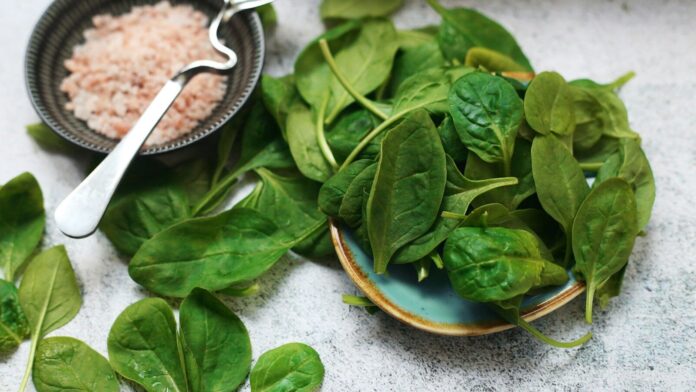

If you sleep enough but still feel flat by mid-afternoon, low iron is one of the first things worth ruling out. The WHO estimates that in 2019, 30% of non-pregnant women aged 15–49 worldwide, about 539 million women, had anaemia, and iron deficiency is a leading cause. The fix usually starts with a simple blood test and a few smart changes to what you put on your plate.
Key takeaways
- Women aged 19–50 need about 18 mg of iron a day in the US guidelines and 14.8 mg in the UK, more than double the 8 mg men need.
- Heavy periods are one of the most common reasons women run low on iron.
- You can be tired from low iron stores even when your haemoglobin is normal. Ask for ferritin, not just a full blood count.
- Vegetarians need about 1.8 times more iron, because plant iron is absorbed less well. Pairing beans, lentils and tofu with vitamin C helps.
- Never self-prescribe high-dose iron. Test first, then follow your doctor’s dose and timeline.
Why low iron makes you tired
Iron is the core of haemoglobin, the protein in red blood cells that carries oxygen from your lungs to your muscles and brain. When iron runs short, your body first draws down its stores (measured as ferritin). If the shortfall continues, it starts making fewer and smaller red blood cells. That later stage is iron deficiency anaemia.
The US Office of Dietary Supplements (NIH ODS) lists the typical symptoms of iron deficiency as GI upset, weakness, tiredness, lack of energy, and problems with concentration and memory. The NHS adds shortness of breath, noticeable heartbeats (palpitations), paler skin than usual and headaches.
For a woman who trains three or four hours a week, this often shows up as workouts that suddenly feel harder: you get breathless on stairs you used to jog up, your easy walk pace drops, or your legs feel heavy for no clear reason.
Low iron without anaemia still matters
Many people assume that if a blood test says “no anaemia”, iron cannot be the problem. A randomised controlled trial published in the Canadian Medical Association Journal in 2012 challenged that idea. It enrolled 198 menstruating women aged 18–53 who had unexplained fatigue, ferritin below 50 µg/L and normal haemoglobin. Half took 80 mg of elemental iron a day for 12 weeks; the other half took a placebo.
Fatigue scores fell by 47.7% in the iron group and 28.8% in the placebo group, a clear difference. The authors concluded iron should be considered for women with unexplained fatigue whose ferritin is below 50 µg/L. The key point for you: if you feel tired, ask your doctor to check ferritin, not only haemoglobin.
How much iron women need after 35
Iron needs are set higher for women of menstruating age because of the blood lost each month. Once periods stop, needs drop to the same level as men’s.
| Group | US RDA (NIH ODS) | UK reference (NHS) |
|---|---|---|
| Women 19–50 (still having periods) | 18 mg/day | 14.8 mg/day (19–49) |
| Women 51+ / after periods stop | 8 mg/day | 8.7 mg/day (50+) |
| Men 19+ | 8 mg/day | 8.7 mg/day |
| Vegetarians (any adult) | About 1.8 × the figures above | No separate figure |
| Upper limit, adults (all sources combined) | 45 mg/day | Supplements of 17 mg/day or less are unlikely to cause harm |
Two practical notes. First, the NHS points out that women who still have periods after 50 may need the same amount as women aged 19–49. Second, the US RDA for vegetarians is 1.8 times higher because iron from plants is absorbed less well. For a vegetarian woman of 40, that works out to roughly 32 mg a day on paper, which is why food choices and pairings matter so much.
If you are in perimenopause and your periods have become heavier or more irregular, your iron needs can shift. Talk to your doctor, who can check your levels and look at the cause.
The 2-minute iron check
This is not a diagnosis, but it tells you whether a blood test is worth asking for. Count how many apply to you over the past month:
- You feel tired most days, even after a normal night’s sleep.
- You get breathless more easily than you used to during walks, stairs or training.
- Your periods are heavy: you change pads or tampons every hour or two, pass large clots, or bleed for more than 7 days (signs the NHS lists for heavy periods).
- You notice your heart pounding or racing with little effort.
- Friends say you look pale, or the inside of your lower eyelids looks paler than usual.
- You get frequent headaches or struggle to concentrate.
- You eat little or no red meat, and you are not deliberately planning plant iron.
- You donate blood regularly.
Score 3 or more? Book an appointment and ask for a full blood count and ferritin. If you have even one of points 2, 3 or 4, it is still worth mentioning. The NHS says to see a GP if you think you might have iron deficiency anaemia.
Who is most at risk
NIH ODS names women with heavy periods as a group likely to run low, along with pregnant women, frequent blood donors and people with cancer, gut conditions or heart failure. The NHS calls heavy periods a “very common” cause of iron deficiency anaemia and notes that heavy periods can be treated with medicine.
That matters. Eating more iron helps, but if you lose more blood each month than your diet can replace, food alone may never catch up. Treating the cause is part of the plan, not an extra.
Bleeding from the gut is another cause the NHS lists, including bleeding linked to anti-inflammatory painkillers such as ibuprofen. If you are past menopause, eat well and still have low iron, your doctor will want to look for a cause.
Best iron-rich foods, including vegetarian options
There are two types of dietary iron. Heme iron comes from meat, poultry and fish and is absorbed well. Non-heme iron comes from plants, eggs and fortified foods and is absorbed less well. NIH ODS estimates that people absorb roughly 14–18% of iron from mixed diets and 5–12% from vegetarian diets.
| Food and portion | Iron (mg) | Type |
|---|---|---|
| Breakfast cereal fortified with 100% of the Daily Value, 1 serving | 18 | Non-heme (vegetarian) |
| White beans, canned, 1 cup (about 260 g) | 8 | Non-heme (vegetarian) |
| Beef liver, pan fried, 85 g (3 oz) | 5 | Heme |
| Lentils, boiled, ½ cup (about 100 g) | 3 | Non-heme (vegetarian) |
| Tofu, firm, ½ cup (about 125 g) | 3 | Non-heme (vegetarian) |
| Spinach, boiled, ½ cup (about 90 g) | 3 | Non-heme, poorly absorbed |
| Beef, braised, 85 g (3 oz) | 2 | Heme |
| Kidney beans, canned, ½ cup (about 130 g) | 2 | Non-heme (vegetarian) |
| Chickpeas, boiled, ½ cup (about 80 g) | 2 | Non-heme (vegetarian) |
| Cashews, 28 g (1 oz, about 18 nuts) | 2 | Non-heme (vegetarian) |
| Chicken, roasted, 85 g (3 oz) | 1 | Heme |
| Egg, 1 large | 1 | Non-heme |
Values from the NIH ODS iron fact sheet, rounded. Gram weights are approximate conversions.
A day that reaches 18 mg
- Breakfast: iron-fortified cereal or oats with milk or soy milk and a handful of strawberries or a kiwi.
- Lunch: a lentil and chickpea salad with peppers, tomato and lemon dressing, or a dal with rice and a side of salad.
- Snack: a small handful of cashews or pumpkin seeds.
- Dinner: a tofu or bean stir-fry with broccoli and peppers, or a lean beef chilli with kidney beans.
Because that menu leans on legumes, it also helps you hit your protein target. See our guide to how much protein women need after 35 to plan both together.
How to absorb more of the iron you eat
What you eat alongside iron can matter almost as much as the iron itself, especially for plant sources.
- Add vitamin C to the same meal. NIH ODS notes that vitamin C improves absorption of non-heme iron. Peppers, tomatoes, citrus, kiwi, strawberries, broccoli and a squeeze of lemon all count.
- Combine plant iron with a little meat, poultry or fish if you eat them. ODS says this also improves absorption of the plant iron in the meal.
- Move tea and coffee away from iron-rich meals. Polyphenols, compounds found in tea, coffee and some cereals and legumes, reduce non-heme iron absorption. Try having your cup an hour or so before or after eating.
- Be smart with calcium. Calcium might interfere with iron absorption, according to ODS, although the effect is not definitively established. If you take a calcium supplement, take it at a different meal from your iron-rich one. You still need calcium for your bones; our bone health guide for women covers how much.
- Soak, sprout or ferment beans and grains where it suits your cooking. Phytate in grains and beans reduces iron absorption, and traditional preparation methods lower it.
Myths vs evidence
| Myth | What the evidence says |
|---|---|
| Spinach is the best source of iron. | Spinach contains iron, but NIH ODS notes it has low bioavailability because of compounds such as polyphenols. Beans, lentils, tofu and fortified cereals are more reliable. |
| If my haemoglobin is normal, iron is not why I am tired. | The 2012 CMAJ trial found iron reduced fatigue in non-anaemic women with ferritin below 50 µg/L. Ask for ferritin. |
| Vegetarian women cannot get enough iron. | They need about 1.8 times more on paper, but with fortified foods, legumes and vitamin C pairings many meet their needs. A blood test tells you if you are on track. |
| Extra iron will give anyone more energy. | Iron only helps if you are low. The upper limit for adults is 45 mg a day, and too much can be harmful. Test before you supplement. |
| Eating more is enough to fix heavy-period iron loss. | Food helps, but the NHS says heavy periods can be treated with medicine. Treating the cause is often part of the fix. |
Should you take an iron supplement?
Only after a blood test and a conversation with your doctor. If you are iron deficient, the NHS says you will usually be prescribed iron tablets, typically for about six months, and that drinking orange juice after a tablet may help absorption.
Supplements can cause side effects such as constipation, nausea and stomach upset, and more is not better. Iron accumulates, and the adult upper limit of 45 mg a day exists for a reason. Some people also have a genetic condition, haemochromatosis, that makes them absorb too much iron, which is another reason not to take high doses without testing.
Safety note: See a doctor promptly if you have very heavy periods, bleeding between periods or after menopause, black or bloody stools, chest pain, fainting or breathlessness at rest. Keep iron tablets away from children: accidental iron overdose is dangerous for young children.
Iron, training and energy
You do not need to stop exercising if you are tired, but it makes sense to scale back intensity while you find the cause. Easy aerobic work, like the conversational pace in our zone 2 training guide, and two or three short strength sessions a week keep you moving without digging a deeper hole. Our 3-day strength plan for women over 35 is a good place to start.
Low iron is also only one cause of fatigue. Poor sleep, stress, low calorie intake, thyroid problems and low vitamin D can all feel similar. If your iron results come back normal, our guide to always feeling tired after 35 walks through the other common causes.
FAQ
What blood test checks iron levels?
Doctors usually start with a full blood count, which shows haemoglobin and red cell size, and ferritin, which reflects your iron stores. Ferritin can drop well before anaemia appears, so ask for it if you are tired.
How long does it take to feel better after starting iron?
In the CMAJ trial, women took iron for 12 weeks. The NHS says iron tablets are usually taken for about six months to rebuild stores. Your doctor will retest to check progress.
Can I get enough iron on a vegetarian or vegan diet?
Many women can. Build meals around lentils, beans, chickpeas, tofu and fortified cereals, add a vitamin C food every time, and keep tea and coffee away from those meals. Get your ferritin checked once in a while.
Do women need less iron after menopause?
Yes. Once periods stop, US guidelines drop the RDA to 8 mg a day and the UK to 8.7 mg. If you still have periods after 50, you may need the higher amount. Ask your doctor if you are unsure.
Is it safe to take iron “just in case”?
It is better not to. Iron supplements can cause gut side effects, the adult upper limit is 45 mg a day, and some people store too much iron. Test first.
Free tool: once your energy is back, see where your habits are taking you with Future You, or make your daily walks more fun with Virtual Journeys.
Sources
- NIH Office of Dietary Supplements. Iron: Fact Sheet for Health Professionals.
- NIH Office of Dietary Supplements. Iron: Fact Sheet for Consumers, 2023.
- World Health Organization. Anaemia fact sheet, 2025.
- NHS. Iron deficiency anaemia.
- NHS. Vitamins and minerals: Iron.
- NHS. Heavy periods.
- Vaucher P et al. Effect of iron supplementation on fatigue in nonanemic menstruating women with low ferritin: a randomized controlled trial. CMAJ, 2012.
This article is for general education and is not medical advice. Check with your doctor before starting a new training or nutrition plan, especially if you have a health condition.

