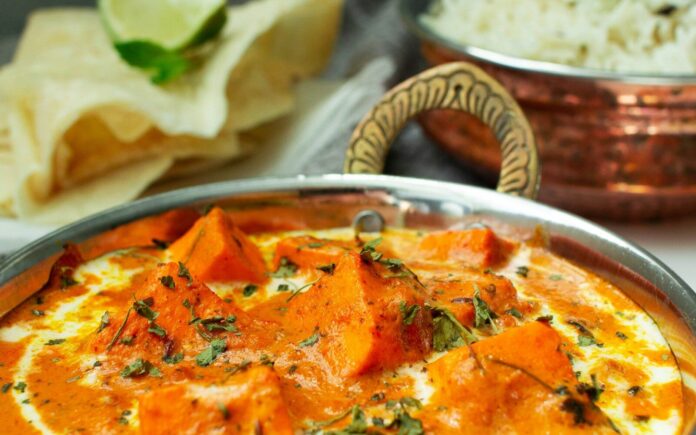

Paneer bhurji is the vegetarian answer to scrambled eggs: crumbled paneer tossed with onion, tomato and warm spices. One portion gives you about 30 g of protein, the kind of solid per-meal dose our protein guide for men over 35 recommends. It takes about 25 minutes and works for breakfast, a post-training lunch or a quick dinner.
At a glance
- Time: 10 min prep, 15 min cooking (25 min total)
- Serves: 2
- Protein: about 30 g per serving
- Calories: about 470 kcal per serving
- Diet: Vegetarian (contains dairy)
Ingredients
Makes 2 servings.
- 300 g (10.5 oz) paneer, crumbled by hand
- 2 tsp (10 ml) oil or ghee
- 1 tsp cumin seeds
- 1 medium onion (100 g / 3.5 oz), finely chopped
- 1 medium tomato (120 g / 4 oz), finely chopped
- 1/2 green bell pepper (capsicum), about 60 g (2 oz), finely chopped
- 2 garlic cloves (6 g), minced
- 1 tsp (5 g) grated fresh ginger
- 1 green chilli, finely chopped (optional)
- 1/4 tsp ground turmeric
- 1/2 tsp Kashmiri red chilli powder
- 1/2 tsp garam masala
- Salt, to taste
- 2 tbsp chopped fresh coriander (cilantro)
Method
- Crumble the paneer. Crumble the paneer with your fingers into small, uneven pieces and set it aside.
- Temper the cumin. Heat the oil or ghee in a non-stick pan over medium heat. Add the cumin seeds and let them sizzle for 20 to 30 seconds.
- Cook the onion. Add the onion and cook for 4 to 5 minutes until soft and light golden. Add the garlic, ginger and green chilli and cook for 1 minute.
- Make the masala. Add the tomato, bell pepper, turmeric, chilli powder and a pinch of salt. Cook for 4 to 5 minutes until the tomato breaks down. Add a splash of water if it sticks.
- Add the paneer. Add the paneer and garam masala and stir gently for 2 to 3 minutes, just until hot. Overcooking makes paneer rubbery.
- Finish and serve. Taste, adjust the salt and stir in the coriander. Serve with roti, wholegrain toast or in lettuce cups.
Nutrition per serving
Approximate values per serving, calculated from the ingredient weights above.
| Nutrient | Per serving (approx.) |
|---|---|
| Calories | 470 kcal |
| Protein | 30 g |
| Carbohydrate | 29 g |
| Fat | 27 g |
| Fibre | 2 g |
Paneer values are from IFCT 2017; vegetables, garlic, ginger and oil from USDA FoodData Central. Spices are not counted. Many packaged full-fat paneers list more fat (often 20 g or more per 100 g) than the IFCT average, so check your label.
Make it higher protein / lighter
- More protein: stir in 2 beaten eggs at step 5 if you eat eggs. Two large eggs add about 12.5 g protein to the pan.
- Lighter: use low-fat paneer and 1 tsp oil, or swap half the paneer for crumbled firm tofu to cut fat and calories.
- More volume: add a handful of spinach, peas or grated carrot with the tomato. You get more fibre for very few extra calories.
- Vegan: make tofu bhurji. Use 400 g firm tofu, pressed and crumbled, with the same masala.
FAQ
Can I use low-fat paneer?
Yes. Low-fat or skim-milk paneer cuts calories and fat. It is a little drier, so add a tablespoon of milk or water with the paneer.
How long does paneer bhurji keep?
Cool it quickly and refrigerate in a covered container. Eat it within 2 days and reheat until piping hot.
Is paneer bhurji good for fat loss?
It is high in protein, which helps you stay full, but paneer is calorie-dense. Keep the portion, oil and side dishes in check. Our protein calculator shows your daily target.
Plan the rest of your day: work out your daily target with the protein calculator or build a full week with the meal planner. For more vegetarian protein ideas, read the best muscle building foods for men over 35.
Sources
- Longvah T, et al. Indian Food Composition Tables 2017. National Institute of Nutrition (ICMR), Hyderabad. Paneer (L003).
- USDA FoodData Central, SR Legacy dataset: Onions, tomatoes, green sweet peppers, garlic, ginger, hot green chillies, coriander leaves, vegetable oil.
Nutrition values are estimates and vary by brand and portion. This is general information, not medical advice.

