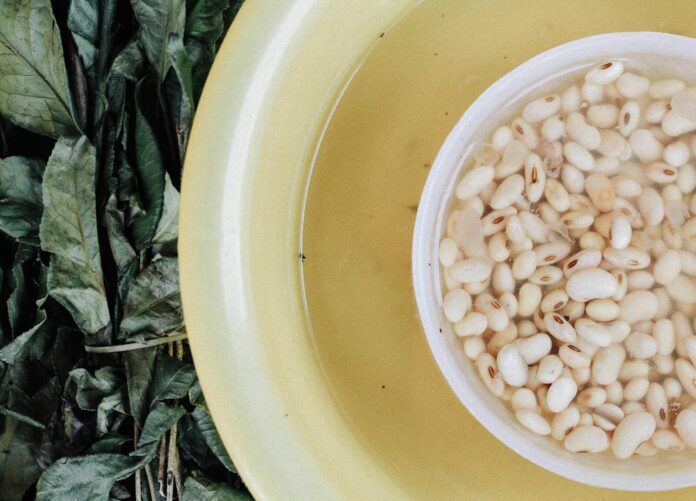

This tuna and white bean salad is the lunch to reach for when you have ten minutes, two cans and no interest in cooking. Each serving gives you about 35 g of protein and 400 kcal from canned tuna, cannellini beans, lemon and olive oil, which sits comfortably in the 20–40 g per-meal range that sports nutrition guidance recommends for anyone trying to hold on to muscle after 35. A shop-bought sandwich or a bowl of pasta salad usually gives you half the protein for the same calories, and this one keeps for three days in the fridge.
At a glance
- Time: 10 minutes prep, no cooking
- Serves: 2
- Protein per serving: about 35 g
- Calories per serving: about 400 kcal
- Diet: Pescatarian, gluten-free, dairy-free; vegetarian and vegan options below
Ingredients
Makes 2 servings. The tuna and beans decide the protein, so weigh them after draining if you can.
- 260 g (about 9 oz) canned light tuna in water, drained; two 185 g (6.5 oz) cans give roughly this weight once drained
- 240 g (1 1/2 cups / 8.5 oz) canned white beans (cannellini or other white beans), drained and rinsed; one 400 g (14 oz) can
- 27 g (2 tbsp) extra-virgin olive oil
- 30 ml (2 tbsp / 30 g) fresh lemon juice, about 1 lemon
- 40 g (1/4 cup, about a quarter of a medium onion) red onion, finely chopped
- 60 g (1 stalk, about 2/3 cup diced) celery, diced
- 10 g (3 tbsp chopped) fresh parsley
- 150 g (1 cup) cherry tomatoes, halved
- Not counted: salt, black pepper, a pinch of dried oregano or chilli flakes, lemon zest
Method
- Soften the onion. Put the chopped red onion in a large bowl with the lemon juice and a pinch of salt. Leave it for 5 minutes while you prepare the rest; the acid takes the harsh edge off the raw onion.
- Drain and rinse the beans. Tip the beans into a sieve, rinse under cold water until the liquid runs clear and shake well. Rinsing removes the starchy canning liquid and some of the salt.
- Drain the tuna. Press the tuna firmly against the lid to squeeze out the water, then break it into large flakes with a fork. Do not mash it; bigger pieces give the salad more texture.
- Make the dressing. Whisk the olive oil into the lemon juice and onion. Add black pepper and the oregano or chilli flakes if you are using them.
- Combine. Add the beans, tuna, celery, parsley and halved tomatoes to the bowl. Fold gently with a spoon so the beans stay whole and the tuna stays in flakes. Taste and add salt only if it needs it; canned tuna and beans already carry some.
- Rest and serve. Leave the salad for 5 minutes so the beans absorb the dressing, or chill it for up to an hour. Serve on its own, on a bed of rocket or baby spinach, or scooped into a wholegrain pita (bread and leaves not counted below).
Nutrition per serving
Approximate values per serving, calculated from the ingredient weights above (USDA SR Legacy data).
| Nutrient | Per serving (approx.) |
|---|---|
| Calories | 400 kcal |
| Protein | 35 g |
| Carbohydrate | 32 g |
| Fat | 15 g |
| Fibre | 8 g |
Salt, pepper, oregano, chilli flakes and lemon zest are not counted, nor is any bread or salad leaves you serve it with. Values assume tuna canned in water; tuna in oil adds fat and calories even after draining.
Make it higher protein / lighter
- More protein: Add a third can of tuna (about 130 g drained). Based on the USDA data above that adds roughly 13 g of protein per serving for about 55 kcal, taking you to around 48 g. Two chopped hard-boiled eggs stirred in are the other easy option and add a creamier texture.
- Lighter: Use 1 tbsp (13 g) of olive oil instead of 2 and make up the moisture with an extra squeeze of lemon. From the ingredient data that saves about 60 kcal per serving with no change to protein. You can also swap half the beans for extra celery and cucumber.
- Make it vegetarian or vegan: Replace the tuna with 4 chopped hard-boiled eggs and 50 g (1.8 oz) of crumbled feta for a vegetarian version; protein drops to roughly 25 g per serving. For a vegan version, use a second 400 g can of beans or chickpeas plus 30 g (1/4 cup) of pumpkin seeds and 1 tsp of capers for a briny note; expect roughly 20 g of protein per serving, so pair it with a higher-protein breakfast or dinner.
- Batch and meal prep: Double everything and keep the tomatoes separate until serving so they do not go watery. Dressed tuna and beans keep for 3 days in a sealed container; the flavour is better on day two.
- Variations: Add 60 g of pitted black olives and 50 g of roasted red pepper from a jar for a Niçoise-style version, or swap parsley for fresh dill and the lemon for red wine vinegar. A teaspoon of Dijon mustard whisked into the dressing works well too.
FAQ
How long does tuna and white bean salad keep?
Three days in a sealed container in the fridge. Add the tomatoes and parsley on the day you eat it if you are making it ahead, because they soften and release water. The beans actually improve as they sit in the lemon and oil. Do not freeze it; the tuna and beans turn mealy.
Tuna in oil or tuna in water?
Tuna in water keeps the numbers above accurate and lets you control the fat with your own olive oil, which also tastes better than the oil in the can. If you only have tuna in oil, drain it very well and cut the added olive oil to 1 tbsp; the salad will still land somewhere near 400 kcal, but treat the figures as a rougher estimate. Light (skipjack) tuna is the budget choice and is what the nutrition data here is based on.
Does canned tuna count towards omega-3?
Yes, modestly. The NIH Office of Dietary Supplements lists canned light tuna in water at about 0.19 g of EPA plus DHA per 85 g (3 oz), so a serving of this salad gives you around 0.3 g. That is less than oily fish such as salmon or sardines, but it still helps you towards the American Heart Association’s one to two servings of seafood a week that the same fact sheet cites. Swap in a can of sardines once in a while if you want more.
Is this a good post-workout lunch?
It works well. You get about 35 g of fast-digesting protein, 32 g of carbohydrate from the beans and tomatoes to top up glycogen, and 8 g of fibre to keep you full through the afternoon. If you trained hard or have a long gap until dinner, eat it in a wholegrain pita or with 150 g of cooked potatoes to add carbohydrate. If you prefer a lighter meal straight after training, eat the salad alone and have the carbs later.
To see how 35 g fits into your day, run your numbers through the protein calculator and build a week around it with the meal planner. If you want more foods that do the same job, our guide to the best muscle-building foods covers tinned fish, beans and the vegetarian options, and how to lose fat without losing muscle after 35 explains why lunches like this one matter more when you are cutting calories.
Sources
- USDA National Nutrient Database for Standard Reference, Release 28 (SR Legacy), NDB No. 15121 Fish, tuna, light, canned in water, drained solids. fdc.nal.usda.gov
- USDA National Nutrient Database for Standard Reference, Release 28 (SR Legacy), NDB No. 16051 Beans, white, mature seeds, canned. fdc.nal.usda.gov
- USDA National Nutrient Database for Standard Reference, Release 28 (SR Legacy), NDB No. 04053 Oil, olive, salad or cooking. fdc.nal.usda.gov
- USDA National Nutrient Database for Standard Reference, Release 28 (SR Legacy), NDB No. 09152 Lemon juice, raw. fdc.nal.usda.gov
- USDA National Nutrient Database for Standard Reference, Release 28 (SR Legacy), NDB No. 11282 Onions, raw. fdc.nal.usda.gov
- USDA National Nutrient Database for Standard Reference, Release 28 (SR Legacy), NDB No. 11143 Celery, raw. fdc.nal.usda.gov
- USDA National Nutrient Database for Standard Reference, Release 28 (SR Legacy), NDB No. 11297 Parsley, fresh. fdc.nal.usda.gov
- USDA National Nutrient Database for Standard Reference, Release 28 (SR Legacy), NDB No. 11529 Tomatoes, red, ripe, raw, year round average. fdc.nal.usda.gov
- National Institutes of Health, Office of Dietary Supplements. Omega-3 Fatty Acids: Fact Sheet for Health Professionals. EPA and DHA content of canned light tuna and the American Heart Association seafood recommendation. ods.od.nih.gov
- Jäger R, Kerksick CM, Campbell BI, et al. International Society of Sports Nutrition Position Stand: protein and exercise. Journal of the International Society of Sports Nutrition, 2017. Recommends 1.4–2.0 g/kg/day for exercising adults, in doses of about 20–40 g spread every 3–4 hours. cdr.lib.unc.edu
Nutrition values are estimates and vary by brand and portion. This is general information, not medical advice.

